English| EUR
Suggested for you
More currencies
Choose a language
Navigating the region requires understanding the logistics of a Picton nature excursion and maritime access. This overview outlines the schedule, biosecurity guidelines, and terrain expectations for a motuara island bird sanctuary and ship cove cruise from picton.
Quick answer
Access to the Motuara Island reserve via a Queen Charlotte Sound bird sanctuary cruise costs 0 NZD, as it operates as a free conservation area managed by the Department of Conservation. While the land remains open 24 hours a day, Monday through Sunday, maritime operators run on fixed schedules. The optimal arrival window falls between 08:00 and 12:00, before midday glare reduces visibility.
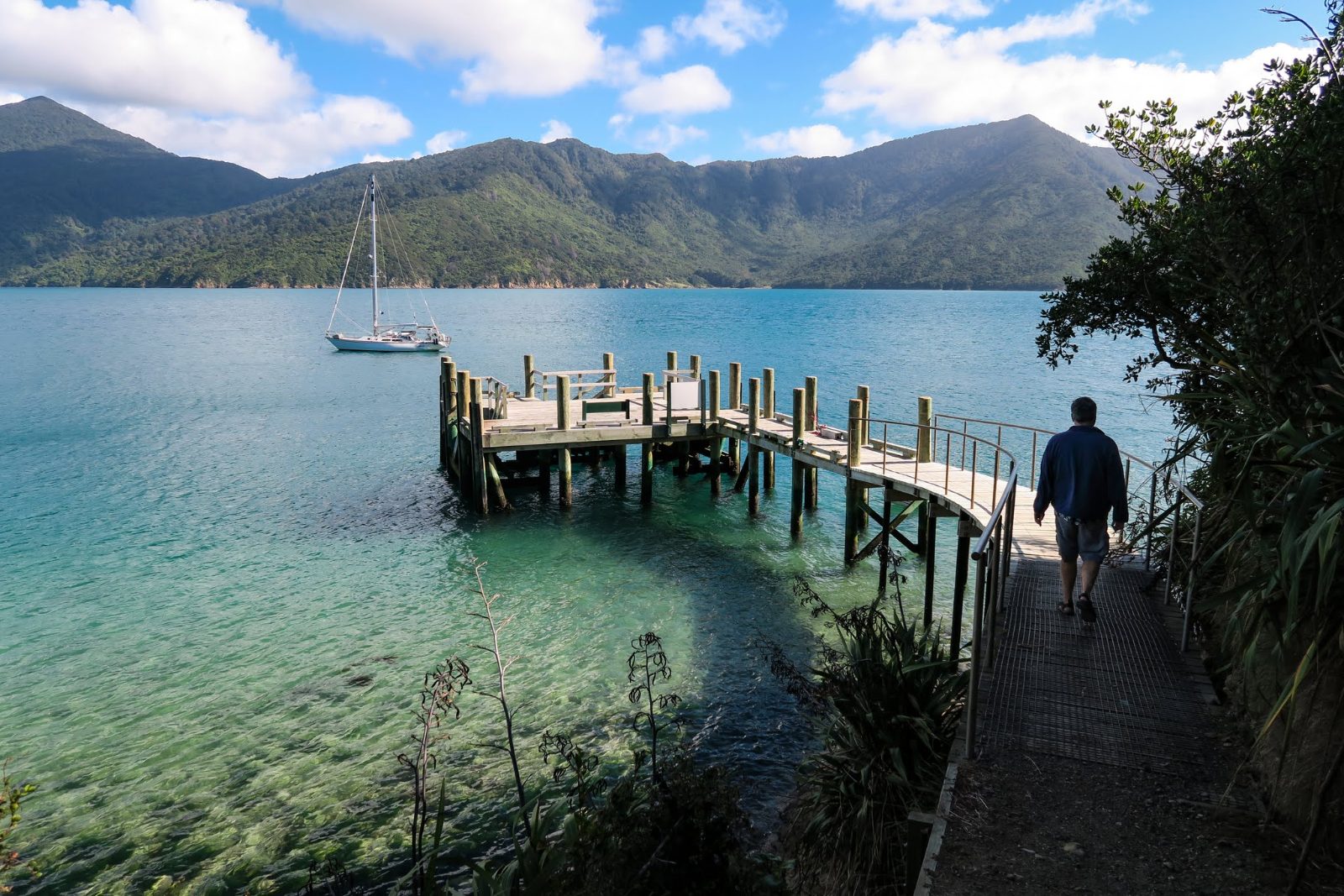
Motuara Island stands as a vital ecological refuge within Queen Charlotte Sound. Designated as a predator-free island since the late twentieth century, it provides a secure habitat for some of the rarest endemic bird species in New Zealand. Visitors embarking on a motuara island bird sanctuary and ship cove cruise from picton immediately enter a landscape shaped by strict environmental protection. Eradicating introduced mammalian pests allowed native flora and fauna to recover at a remarkable pace, transforming the steep, regenerating forested slopes into a highly active ecological sanctuary. The resulting ecosystem now supports flourishing populations of the South Island saddleback, yellow-crowned parakeets, and the fearless New Zealand robin, which frequently approach walkers navigating the dirt paths winding toward the summit. Directly across the sheltered waterways lies an inlet of equal historical weight. Captain James Cook anchored the HMS Endeavour at this specific site multiple times during his Pacific voyages in the 1770s, utilizing the calm waters for ship maintenance. A Marlborough Sounds birdwatching tour frequently pairs these two locations to contrast the modern ecological restoration of the island reserve with the deep maritime heritage of the coastal bay. The journey between the mainland settlement and these remote outer sounds requires navigating varying marine conditions. Modern vessels cross the calm inner channels before reaching the slightly more exposed stretches near the sanctuary. Understanding this complex geography helps travelers prepare for changing maritime weather during their historic inlet boat journey. Thorough preparation dictates the success of any remote coastal excursion in the Marlborough Sounds. The sanctuary terrain involves a steady, gradual uphill walk from the concrete jetty to a raised wooden observation deck, which offers clear vantage points across the sunken river valleys of the region. Walkers should anticipate uneven, natural trail surfaces that demand sturdy, closed-toe footwear. Because the land operates strictly as a protected wildlife reserve, on-site facilities remain deliberately minimal. There are no food vendors or public waste bins, requiring all individuals to carry out whatever provisions they bring ashore. Travelers finalizing plans for a motuara island bird sanctuary and ship cove cruise from picton must factor in these rugged, uncommercialized conditions when organizing their daily packs. Approaching the environment with an understanding of its strict biosecurity ensures the delicate ecosystems remain entirely undisturbed.
“Eradicating introduced mammalian pests allowed native flora and fauna to recover at a remarkable pace, transforming the steep, regenerating forested slopes into a highly active ecological sanctuary.”
The best arrival window for Motuara Island is 08:00–12:00, as morning light provides optimal conditions for bird activity and photography before the onset of midday glare. Planning your cruise during these hours maximizes opportunities to observe native species in their natural habitat.
Mild temperatures, 12°C–18°C
Bird breeding season increases activity levels and visibility along the sanctuary tracks.
Warm with bright sun, 18°C–24°C
Visitor numbers rise, making early morning arrivals essential for quiet observation.
Stable, cool conditions, 14°C–20°C
Consistent weather patterns often provide clear light for wildlife photography.
—
Midweek visits offer the quietest experience for accessing the bird sanctuary trails.
Verdict: The best time to visit is during the shoulder months of October or March, specifically arriving between 08:00 and 12:00 on a weekday.
This standard half-day cruise sequence covers Queen Charlotte Sound, allowing time ashore at both the wildlife reserve and Captain Cook's historic anchorage. The total round trip typically lasts four to five hours.
Board your vessel at the Picton waterfront and travel outward through Queen Charlotte Sound. The transit to the outer sounds takes roughly one hour.
Disembark at the island jetty. This is a predator-free reserve managed by the Department of Conservation, requiring strict biosecurity checks of footwear before stepping ashore.
Follow the track through regenerating native bush to the island peak. The return walk takes around 60 minutes, allowing time to observe native robins and saddlebacks.
Reboard the vessel for a short 15-minute crossing over to the western shore of the sound.
Spend 30 to 45 minutes ashore at Meretoto/Ship Cove. Read the information panels detailing Captain James Cook's visits and view the historic Captain Cook Monument.
Depart Ship Cove for the inbound journey back down Queen Charlotte Sound. The return trip takes approximately one hour, concluding at the Picton waterfront.
Access to the Motuara Island Bird Sanctuary itself is free for all visitors as it is a conservation area managed by the Department of Conservation. Costs associated with visiting the island relate exclusively to the boat passage required to reach the sanctuary from Picton.
Verdict: While the sanctuary has no entrance fee, visitors pay for boat passage, which varies based on the tour provider selected.
Motuara Island Bird Sanctuary is a Department of Conservation managed scenic reserve accessible to visitors throughout the week. The sanctuary maintains consistent access hours daily.
Motuara Island and Ship Cove are situated within the Queen Charlotte Sound, accessible exclusively by water transport from Picton. Travelers must depart from the Picton Marina via scheduled boat services to reach these locations.
Picton Marina to Motuara Island
Picton Marina to Ship Cove
Plan your travel within the 08:00–12:00 window to benefit from morning light, which is optimal for bird activity and photography before the midday glare.
Motuara Island is a predator-free reserve managed by the Department of Conservation. Strict biosecurity measures and respectful wildlife interactions are required to protect vulnerable native bird species.
Everything you need to know about motuara island bird sanctuary and ship cove cruise from picton
There is no entry fee for the island itself, as it is a conservation area managed by the Department of Conservation. Please note that while the island entry is 0 NZD, you will need to arrange transport to reach this remote destination.
The best arrival window is 08:00–12:00. Arriving in the morning allows you to benefit from optimal lighting for photography and ensures you see peak bird activity before the midday glare sets in.
Access is exclusively via water-based transport. You can book a scenic cruise, use a water taxi, hire a kayak, or travel by private boat to reach the jetty, which serves as the primary gateway to the motuara island bird sanctuary and ship cove cruise from picton experience.
There are no toilets or other facilities on the island itself. It is a strictly managed predator-free sanctuary, so please plan your personal needs accordingly before disembarking from your boat.
The track is generally suitable for families, though it is not appropriate for buggies or strollers. The motuara island bird sanctuary and ship cove cruise from picton is an educational experience where children can learn about rare native species in a natural, protected environment.
Ensure you carry water, sunscreen, and a waterproof layer, as weather in the Marlborough Sounds can change rapidly. Because this is a predator-free reserve, please check your gear and bags for pests before leaving your boat to protect the local wildlife.
Yes, the island is open daily from 00:00–23:59. While the site itself is technically accessible at any time, visitors typically coordinate their arrival with local commercial boat operators or private transport schedules.